
"Mehta Metal Industries", founded in 1978 by Babulal Mehta, is one of India's oldest and most trusted suppliers of high-quality stainless steel products.

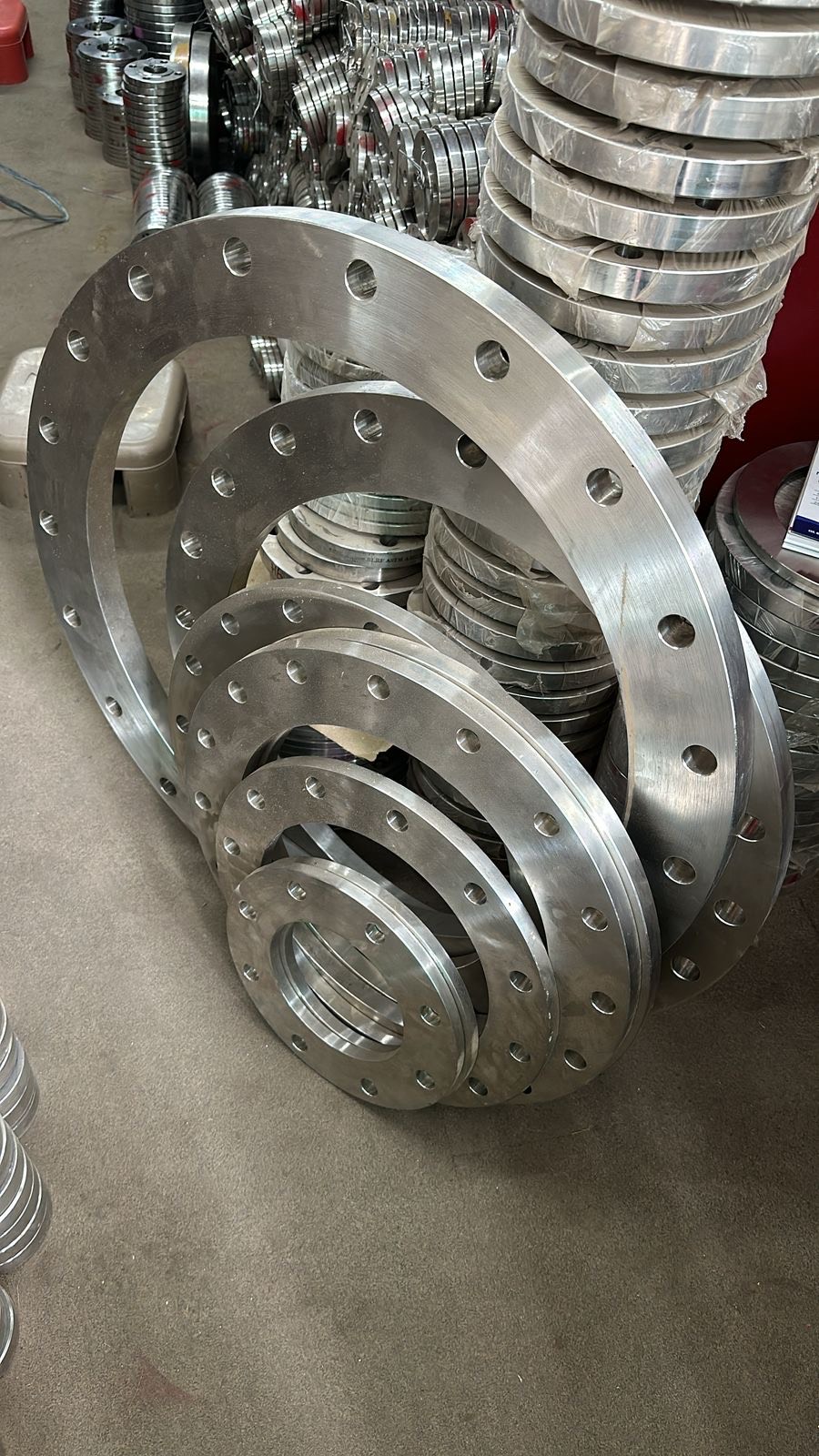
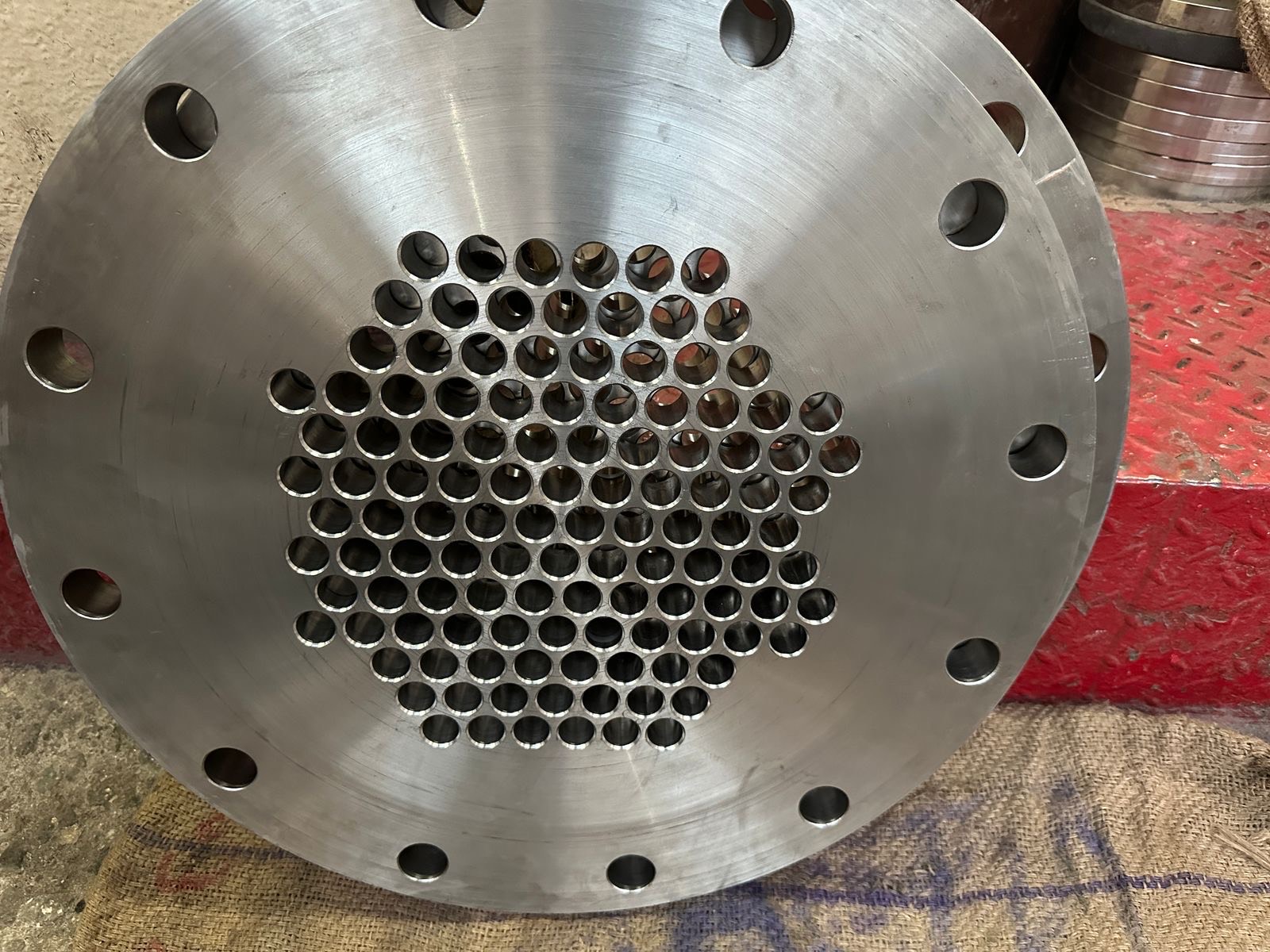
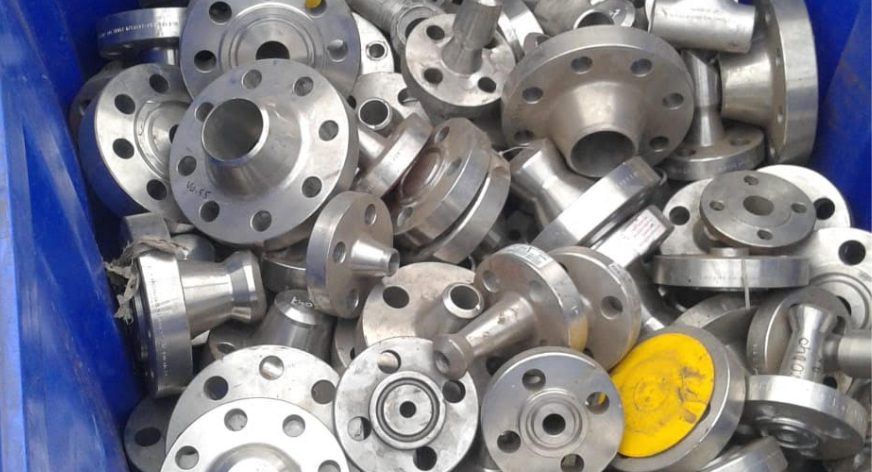
Our range of industrial flanges are ideal for application in diverse industry for high pressure and temperature applications. These flanges are designed with precision for easy installation. Apart from standard flanges, we also offer custom designed flanges to meet the specific application requirements of the customers.

Material Grades / Details
Stainless Steel ASTM A479, A182 - 202, 304, 316, 321, 409, 410, 420, 431
Duplex & Super Duplex F44, F45, F51, F53, F55, F60, F61
Carbon Steel ASTM A105, A350 LF2, A106 Gr A, B, C, A333 Gr 6, 3
Alloy Steel ASTM A182 EN19, EN24, EN36, 4140, F11, F22
Tool Steel H11, H13
Die Steel D2, D3
Nickel Alloys Nickel 200 (UNS N02200), Nickel 201 (UNS N02201),
Monel 400 (UNS N04400), Monel 500 (UNS N05500),
Inconel 800 (UNS N08800), Inconel 825 (UNS N08825),
Inconel 600 (UNS N06600), Inconel 625 (UNS N06625), Inconel 601 (UNS N06601),
Hastelloy C276 (UNS N10276), Alloy 20 (UNS N08020)
Copper Alloy Steel C70600 (Cu-Ni 90/10), C71500 (Cu-Ni 70/30),
UNS C10100, C10200, C10300, C10800, C12000, C12200

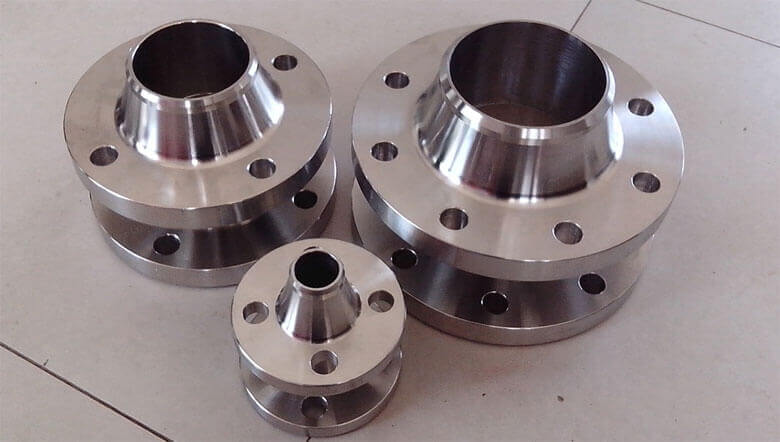
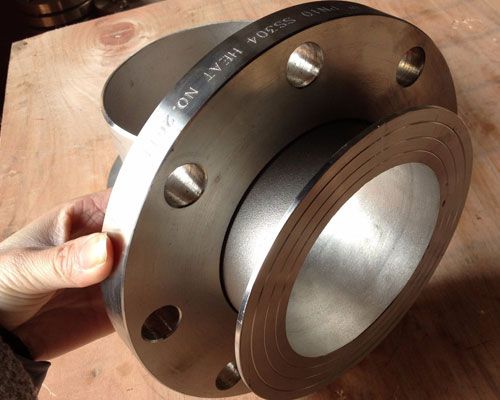
Weld Neck Flange is flanges that designed to be joined to a piping system by butt welding. This kind of flange include lots of specification. Weld Neck Flange is expensive because of its long neck and cost of people for contact WN flange with pipeline or fitting but is preferred for high-stress applications.

Parameter Specifications / Details
Dimensions ANSI B16.5, ANSI B16.47 Series A & B, MSS SP44, ASA, API-605, AWWA, Custom Drawings
Size 1/2″ (15 NB) to 48″ (1200 NB)
Class 150 LBS, 300 LBS, 600 LBS, 900 LBS, 1500 LBS, 2500 LBS
BS Standards BS4504, BS1560, BS10, PN6, PN10, PN16, PN25, PN40, etc.
Table D / E / F / H / J / K
API Standards PSI-2000 / 3000 / 5000 / 10000 / etc.
JIS Standards 2220-2004 – 5K / 10K / 16K, etc.
Flange Face Type Flat Face (FF), Raised Face (RF), Ring Type Joint (RTJ)

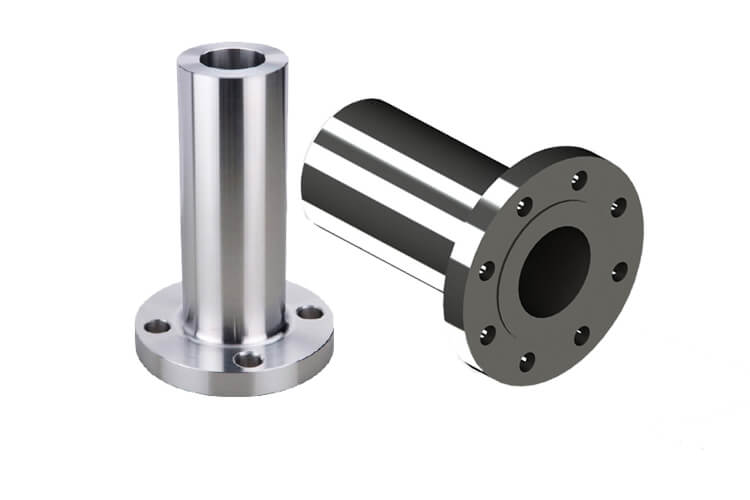
Weld Neck Flanges in hard-to-nd metals. Long Weld Neck Flanges have a hub that extends from the Flanges at the surface, which helps in accommodating the pipe more easily. Alloy Steel Long Weld Neck Flange fall under the group of specialty flanges, reinforcement in services at higher temperatures in the oil industry.

Parameter Specifications / Details
Dimensions ANSI B16.5, ANSI B16.47 Series A & B, MSS SP44, ASA, API-605, AWWA, Custom Drawings
Size 1/2″ (15 NB) to 48″ (1200NB)
Class 150 LBS, 300 LBS, 600 LBS, 900 LBS, 1500 LBS, 2500 LBS
BS Standards BS4504, BS1560, BS10, PN6, PN10, PN16, PN25, PN40, etc.
Table D / E / F / H / J / K
API Standards PSI-2000 / 3000 / 5000 / 10000 / etc.
JIS Standards 2220-2004 – 5K / 10K / 16K, etc.
Flange Face Type Flat Face (FF), Raised Face (RF), Ring Type Joint (RTJ)

Weld Neck Flanges in hard-to-nd metals. Long Weld Neck Flanges have a hub that extends from the Flanges at the surface, which helps in accommodating the pipe more easily. Alloy Steel Long Weld Neck Flange fall under the group of specialty flanges, reinforcement in services at higher temperatures in the oil industry.

Parameter Specifications / Details
Dimensions ANSI B16.5, ANSI B16.47 Series A & B, MSS SP44, ASA, API-605, AWWA, Custom Drawings
Size 1/2″ (15 NB) to 48″ (1200NB)
Class 150 LBS, 300 LBS, 600 LBS, 900 LBS, 1500 LBS, 2500 LBS
BS Standards BS4504, BS1560, BS10, PN6, PN10, PN16, PN25, PN40, etc.
Table D / E / F / H / J / K
API Standards PSI-2000 / 3000 / 5000 / 10000 / etc.
JIS Standards 2220-2004 – 5k / 10k / 16k, etc.
Flange Face Type Flat Face (FF), Raised Face (RF), Ring Type Joint (RTJ)

Weld Neck Flanges in hard-to-nd metals. Long Weld Neck Flanges have a hub that extends from the Flanges at the surface, which helps in accommodating the pipe more easily. Alloy Steel Long Weld Neck Flange fall under the group of specialty flanges, reinforcement in services at higher temperatures in the oil industry.

Property Description / Details
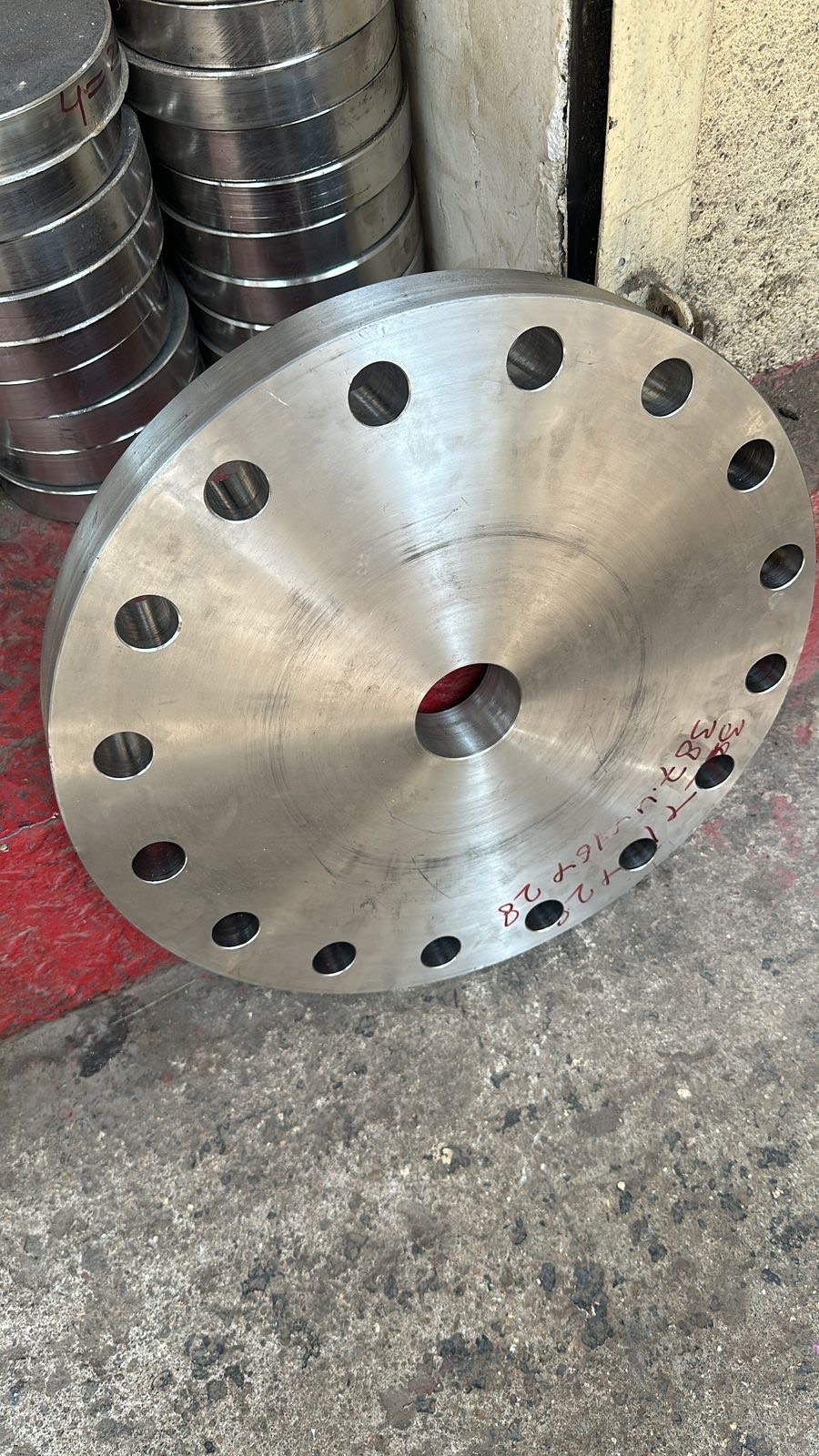
Blind Flange Raised Face (BLRF) Flanges Flanges used to close the end of a pipe, with a raised face for better sealing.
Design Features a solid, flat disc with a raised face that provides a surface for the gasket.
Flange Faces Raised face, which ensures a tight seal by making full contact with the gasket.
Material Options Available in carbon steel, stainless steel, and alloy steels.
Pressure Rating Available in various pressure ratings including ANSI Class 150, 300, 600, etc.
Temperature Range Varies by material; generally suitable for moderate to high temperatures.
Common Applications Used to close pipe ends in water, oil, gas, and chemical processing systems.
Advantages Provides secure pipe closure, easy removal, and strong sealing performance.
Disadvantages Not suitable when regular pipe access is needed; can be bulky and heavy.
Installation Bolted to the pipe end and sealed with a gasket to prevent leakage.
Common Standards ANSI B16.5, API 605, and other industry standards.

Stainless Steel (SS) and Mild Steel (MS) flanges are essential components in piping systems, used to connect pipes, valves, and other equipment. They come in various types and specifications based on the material and application.

Property Stainless Steel (SS) Flanges Mild Steel (MS) Flanges
Material Composition Stainless steel alloys (304, 316, etc.) Mild steel (carbon steel)
Corrosion Resistance High; resistant to rust and chemicals Low; prone to rust and corrosion
Strength High tensile strength and durability Adequate strength; less durable
Temperature Range Up to 870°C (1600°F) Up to around 400°C (750°F)
Cost Higher; due to material and processing Lower; cost-effective
Common Applications Chemical, food processing, aerospace Water supply, construction, automotive
Maintenance Low; does not require frequent painting High; may require regular upkeep

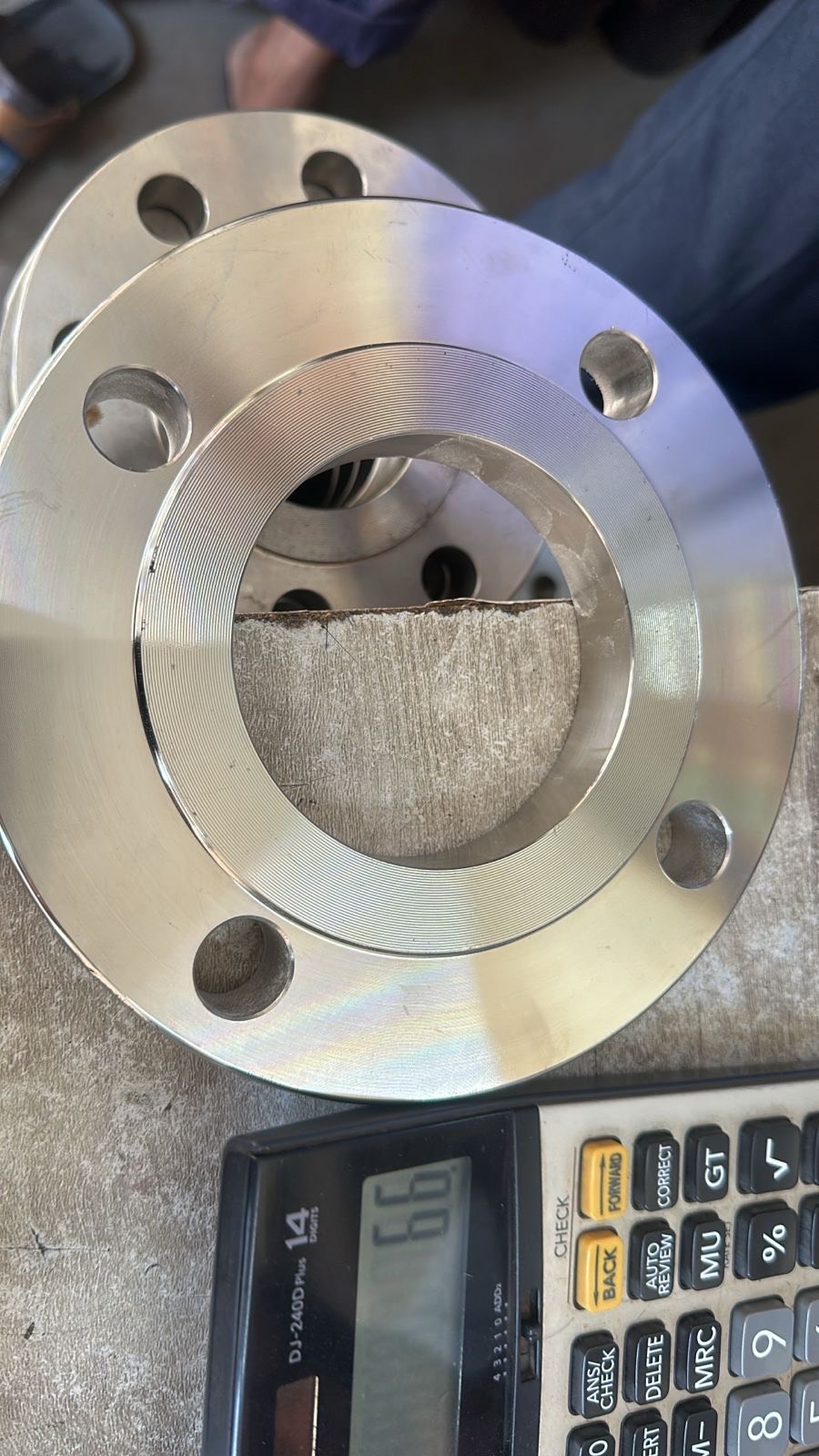
SORF stands for Slip-On Raised Face flanges, which are a type of flange commonly used in piping systems. Here’s a detailed overview of SORF flanges in table format:

Property Slip-On Raised Face (SORF) Flanges
Description Flanges that slide over the pipe and are welded in place, featuring a raised face for sealing.
Design The flange includes a raised face to help form a better seal with the gasket.
Flange Faces Raised face design provides improved sealing by offering a flat contact surface for the gasket.
Material Options Available in carbon steel, stainless steel, and alloy steels.
Pressure Rating Available in ANSI Class 150, 300, 600, and more.
Temperature Range Depends on material; suitable for moderate to high-temperature applications.
Common Applications Used in water, oil, gas, and chemical processing systems.
Advantages Easy to align and weld; cost-effective; simple design.
Disadvantages Lower strength than Weld Neck flanges in high-pressure or high-stress applications.
Installation Pipe is inserted inside the flange and welded on both sides for a secure connection.
Common Standards ANSI B16.5, API 605, and relevant industry standards.

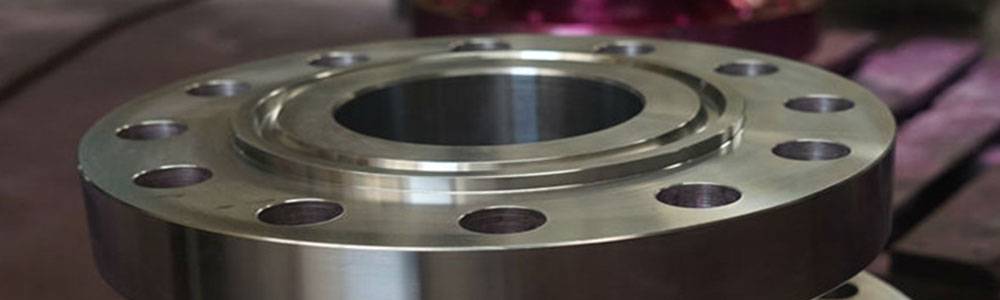
Ring Joint Flanges (RJF) are a specific type of flange used primarily for high-pressure and high-temperature applications. They are designed to provide a secure, leak-proof connection and are commonly used in industries such as oil and gas, petrochemical, and chemical processing. Here’s a detailed overview of Ring Joint Flanges:

Property Ring Joint Flanges (RJF)
Description Flanges designed with a groove to accommodate a ring joint gasket, providing a high-pressure seal.
Design Features a groove for a ring joint gasket inserted between the flange faces to ensure a tight seal.
Flange Faces Available with Raised Face, Flat Face, or Ring Type Joint (RTJ) faces.
Material Options Typically manufactured in carbon steel, stainless steel, and alloy steels.
Pressure Rating Offered in high-pressure ratings such as ANSI Class 300, 600, 900, 1500, 2500, and above.
Temperature Range Suitable for high-temperature applications depending on material and gasket selection.
Common Applications Used in high-pressure, high-temperature systems such as oil and gas pipelines, refineries, and petrochemical plants.
Advantages Delivers exceptional sealing performance, handles extreme pressure and temperature conditions.
Disadvantages More expensive compared to other flange types; installation requires precision for proper sealing.
Installation Gasket is placed inside the groove, then flanges are bolted together; proper alignment and torque are critical.
Common Standards API 6A, ASME B16.5, ASME B16.47, and other applicable industry standards.

Lap Joint Flanges are a type of flange that consists of two parts: a stub end and a loose flange. This design is particularly useful for applications where frequent disassembly or alignment adjustments are necessary. Here’s a detailed overview of Lap Joint Flanges:

Property Lap Joint Flanges
Description Consists of a stub end and a loose flange; the stub end is welded to the pipe and the loose flange bolts onto it.
Design The stub end is welded to the pipe and has a flange with a flat face, while the loose flange bolts onto the stub end for easy alignment and removal.
Flange Faces Available in flat face, raised face, or ring type joint configurations depending on application.
Material Options Available in carbon steel, stainless steel, and alloy steels.
Pressure Rating Typically available in ANSI Class 150, 300, 600, and other ratings.
Temperature Range Suited for moderate to high temperatures depending on material selection.
Common Applications Used where frequent disassembly is required such as piping systems, chemical processing, and shipbuilding.
Advantages Provides easy alignment and removal, reduces welding precision requirements, and is cost-effective compared to other flanges.
Disadvantages Not ideal for high-pressure conditions compared to weld neck flanges; may require proper gasket sealing to avoid leakage.
Installation The stub end is welded to the pipe and the loose flange is bolted on. Proper gasket and alignment ensure sealing.
Common Standards ANSI B16.5, ASME B16.47, and other relevant industry standards.